



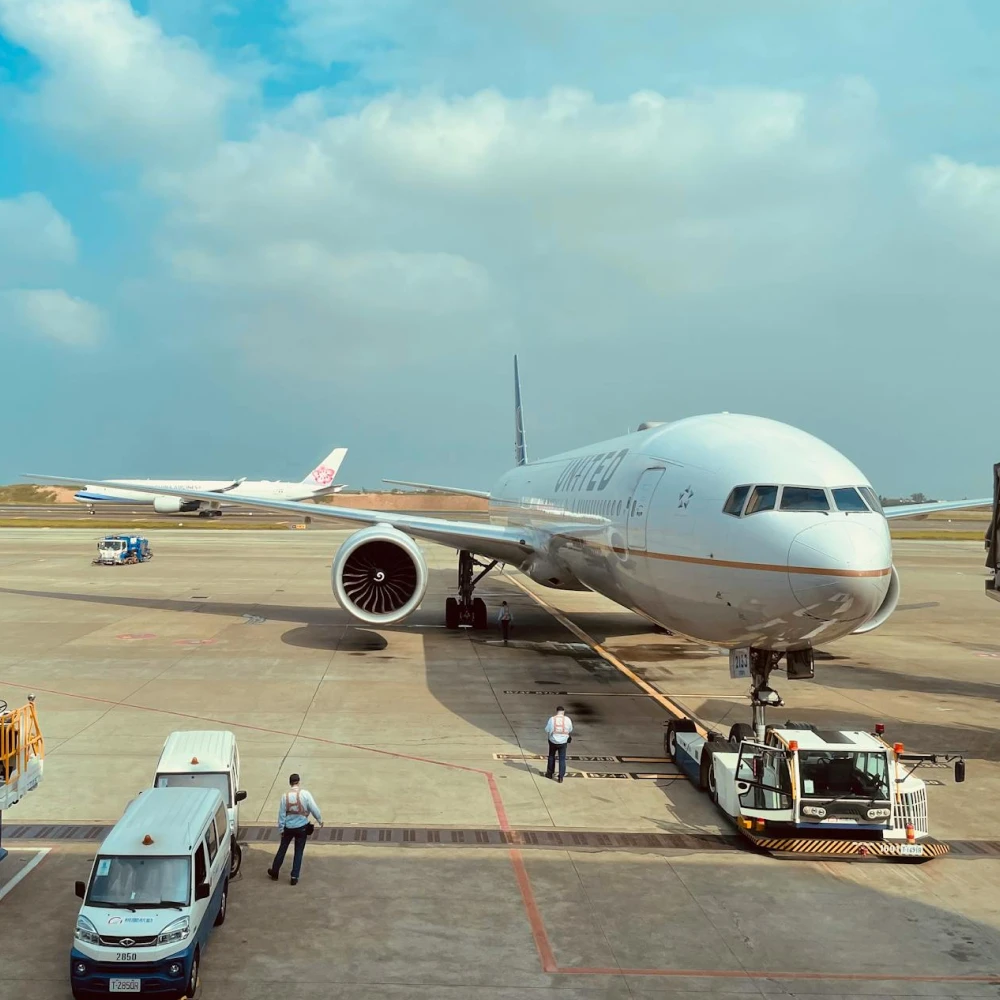
The last mile is the shortest part of a shipment's journey and the most expensive. It is also the only part the customer sees, so a missed window or a failed attempt shapes how they judge the whole service.
Solving it starts with planning the route around real delivery windows, giving drivers accurate addresses and instructions, and telling customers exactly when to expect the knock on the door.
where last-mile costs come from
Most last-mile waste comes from a handful of repeat problems:
Each failed attempt costs a second trip, a second driver hour and a customer who is now watching the tracking page more closely.
“Fix the address, the window and the notification, and most last-mile problems disappear before the van leaves the depot.” Delivery Operations Lead
signs your last mile needs work
Your delivery operation may need a redesign if you regularly see:
Operational Challenges Include:
External Factors Include:
None of these are unusual. The difference is whether your process anticipates them or reacts after the customer complains.
the practical fixes that actually work
Validate addresses at order entry, let the customer choose a window, and notify them when the driver is close.
Group stops by area and time window rather than order number, and build routes on real traffic data. Offer pickup points for customers who are rarely home, and capture proof of delivery.
Measured over a quarter, they cut failed attempts, shorten routes and turn the last mile into the part customers praise.
Category Posts
Categories
Recent Posts
Future Trends in E-Commerce Fulfillment
Urban vs Regional Delivery Strategies
Tags